








Reinforced Concrete Pipe Dimensions and Features: A Complete Industry Guide
 Tiempo de liberación:2026.04.13
 Ver la página:9
Introduction
Reinforced Concrete Pipe (RCP) plays a vital role in modern infrastructure, supporting drainage systems, sewage networks, and large-scale construction projects. Understanding the dimensions and features of reinforced concrete pipe is essential for engineers, contractors, and developers aiming to achieve long-lasting and efficient systems.
With advancements in manufacturing and engineering, companies like Jianhua Holdings Group are redefining standards by integrating high-performance materials with precision-driven production, including innovations in Reinforced Concrete Pipe Pile systems.
What Is Reinforced Concrete Pipe?
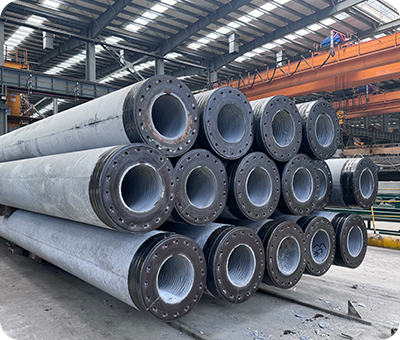
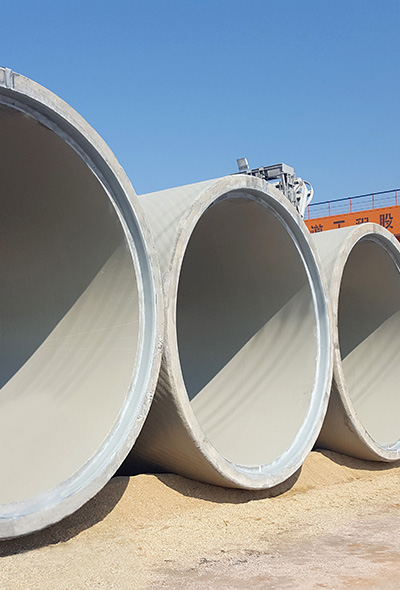
Reinforced Concrete Pipe is a precast concrete product embedded with steel reinforcement to enhance its structural strength and durability. The combination of concrete and steel allows the pipe to resist both compressive and tensile forces, making it suitable for heavy-load applications.
RCP is widely used in:
- Stormwater drainage systems
- Sewage pipelines
- Culverts and tunnels
- Industrial water systems
Its ability to withstand environmental stress and heavy loads makes it one of the most reliable piping solutions available today.
Standard Reinforced Concrete Pipe Dimensions
1. Diameter Range
Reinforced concrete pipes are typically measured by their internal diameter. Common sizes include:
- 12 inches to 144 inches (standard range)
- 15”, 18”, 24”, 36”, 48” commonly used sizes
Manufacturers can also produce customized diameters for specialized infrastructure projects.
2. Wall Thickness
Wall thickness varies depending on load requirements and pipe type:
- Typically ranges from 3 inches to 8.75 inches
Thicker walls provide:
- Higher load-bearing capacity
- Greater resistance to external pressure
Extended service life
3. Pipe Length
Standard pipe lengths are:
- 8 to 12 feet per section
Longer sections reduce the number of joints, improving efficiency and minimizing leakage risks.
4. Special Shapes and Designs
Reinforced concrete pipes are available in various configurations:
- Circular pipes (most common)
- Arch pipes (for limited vertical clearance)
- Elliptical pipes (for hydraulic efficiency)
- Box culverts (large-scale drainage systems)
Each design serves specific engineering and environmental requirements.
Strength Classes and Standards
Reinforced concrete pipes are classified based on strength and load capacity.
ASTM Classification
According to ASTM standards:
- Class I to Class V pipes are defined by load-bearing strength
Higher classes indicate:
- Greater structural capacity
Suitability for deeper burial or heavy traffic loads
Key Standards Include
- ASTM C76 – Culvert and sewer pipe
- ASTM C506 – Arch pipe specifications
- AASHTO M170 – Highway drainage systems
These standards ensure consistent quality, safety, and performance across projects.
Key Features of Reinforced Concrete Pipe
1. Exceptional Strength and Durability
The integration of steel reinforcement significantly enhances pipe strength. Reinforced concrete pipes can withstand:
- Heavy soil loads
- Traffic loads
- Harsh environmental conditions
Their lifespan can exceed 100 years, making them a cost-effective long-term solution
2. High Load-Bearing Capacity
Steel reinforcement distributes stress throughout the pipe structure, preventing cracking and structural failure.
This feature is particularly important in:
- Urban infrastructure
- Highway drainage systems
Industrial applications
3. Versatility in Applications
RCP is used in:
- Storm drainage
- Sanitary sewers
- Irrigation systems
- Detention systems
Its adaptability makes it a preferred choice across multiple industries.
4. Superior Hydraulic Performance
Properly designed pipe dimensions ensure:
- Efficient water flow
- Reduced clogging risks
Optimized system performance
5. Low Maintenance Requirements
Once installed, reinforced concrete pipes require minimal maintenance due to:
- High resistance to corrosion
- Structural stability
Durable materials
The Role of Reinforced Concrete Pipe Pile in Infrastructure
Beyond piping systems, Reinforced Concrete Pipe Pile technology is essential in foundation engineering.
These piles:
- Provide deep foundation support
- Enhance structural stability
- Improve load distribution in large-scale projects
Combining pipe systems with pile technology creates a fully integrated infrastructure solution, particularly for bridges, ports, and high-rise buildings.
Manufacturing Excellence: The Key to Performance
The performance of reinforced concrete pipes depends heavily on manufacturing quality.
Modern production involves:
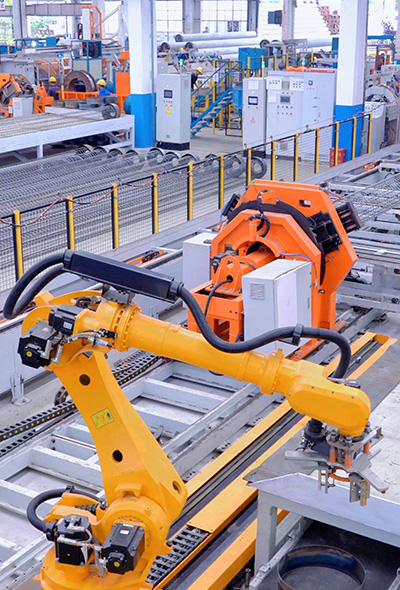
- Precision mold systems
- Automated reinforcement placement
- Strict quality control testing
High-quality manufacturing ensures:
- Consistent dimensions
- Reliable strength performance
Compliance with international standards
Why Choose Jianhua Holdings Group
As a global leader in concrete solutions, Jianhua Holdings Group stands out in the industry.
1. Advanced Manufacturing Capabilities
- State-of-the-art production facilities
- Large-scale output capacity
- Precision-engineered products
2. Expertise in Reinforced Concrete Pipe Pile
- Industry-leading pile technology
- Proven performance in major infrastructure projects
3. Comprehensive Product Solutions
- Reinforced Concrete Pipe
- Pipe piles
- Precast concrete components
4. Global Project Experience
- Extensive international project portfolio
- Trusted by contractors and developers worldwide
5. Commitment to Quality and Innovation
- Continuous R&D investment
- Compliance with ASTM and global standards
Sustainable production practices
Common Mistakes When Selecting Pipe Dimensions
Choosing incorrect dimensions can lead to:
- Reduced flow capacity
- Structural failure
- Increased maintenance costs
To avoid these issues:
- Always consult engineering specifications
- Match pipe size with project requirements
Work with experienced manufacturers
Future Trends in Reinforced Concrete Pipe
The industry is evolving toward:
- Smart infrastructure integration
- Sustainable materials
- Advanced manufacturing technologies
Companies like Jianhua Holdings Group are at the forefront of these innovations, driving the future of global infrastructure.
Conclusion
Understanding reinforced concrete pipe dimensions and features is essential for building reliable and long-lasting infrastructure systems. From diameter and wall thickness to strength classification and material composition, every aspect plays a critical role in performance.
By combining advanced manufacturing, engineering expertise, and integrated solutions like Reinforced Concrete Pipe Pile, Jianhua Holdings Group delivers high-quality products that meet the demands of modern construction.
As infrastructure projects continue to grow in complexity, selecting the right reinforced concrete pipe—and the right manufacturing partner—will be key to long-term success.
 retorno