








Your Guide to Installing Concrete Pipe: Best Practices for Durable Infrastructure
 Tiempo de liberación:2026.03.11
 Ver la página:9
Introduction: Why Concrete Pipe Installation Matters
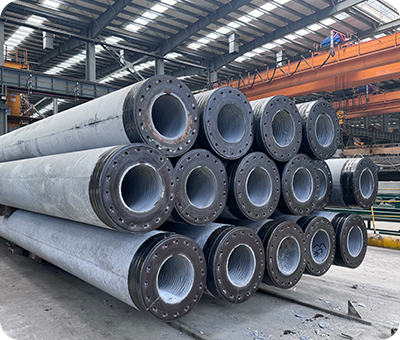
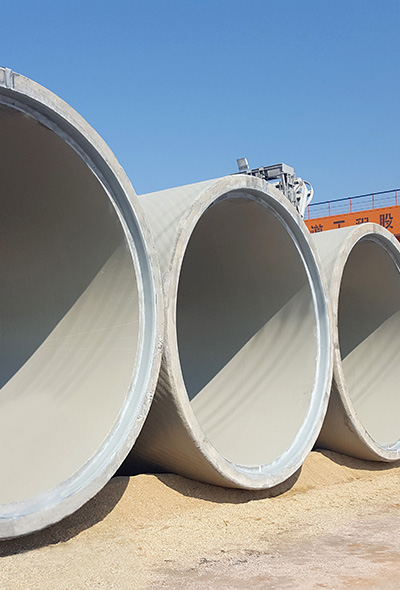
Concrete Pipe systems play a critical role in modern infrastructure, supporting drainage, sewage, and stormwater management across urban and industrial environments. Proper installation is essential to ensure long-term performance, structural integrity, and cost efficiency.
With increasing global demand for resilient infrastructure, companies like Jianhua Holdings Group, a leader in Concrete Pile Manufacture and concrete solutions, are setting new standards in both product quality and installation guidance.
This guide provides a comprehensive overview of best practices for installing Concrete Pipe, based on industry-leading methodologies and engineering insights.
Understanding Concrete Pipe Systems
Concrete Pipe is widely used due to its:
- High compressive strength
- Long service life
- Resistance to environmental stress
- Suitability for heavy-load applications
Unlike alternative materials, concrete offers superior durability in harsh conditions, making it ideal for municipal and industrial projects.
Step 1: Planning and Site Preparation
Successful installation begins with detailed planning.
Key considerations include:
- Soil conditions and load requirements
- Pipe diameter and design specifications
- Environmental and drainage requirements
Proper planning ensures that the pipe system integrates seamlessly into the broader infrastructure network.
According to industry guides, installation should always follow project-specific engineering specifications rather than generic assumptions .
Step 2: Excavation and Trench Preparation
The trench must be carefully excavated to:
- Provide adequate width for installation
- Ensure proper depth for load distribution
- Maintain safe working conditions
Excavation should comply with safety standards and allow for precise alignment of the pipeline.
Step 3: Bedding – The Foundation of Stability
Bedding is one of the most critical steps in Concrete Pipe installation.
Recommended materials include:
- Sand
- Gravel
- Crushed stone
These materials provide a stable base and distribute loads evenly.
Proper bedding:
- Prevents pipe deformation
- Enhances structural support
- Reduces long-term maintenance risks
Poor bedding, on the other hand, can lead to settlement and system failure.
Step 4: Pipe Handling and Placement
Handling must be performed with care to avoid:
- Cracking
- Chipping
- Joint damage
Best practices include:
- Using appropriate lifting equipment
- Avoiding direct contact with heavy machinery
- Ensuring balanced lifting
Industry guidelines stress that improper handling can compromise pipe integrity before installation even begins .Once placed, pipes must be aligned precisely according to design grade and slope.
Step 5: Jointing and Alignment
Correct jointing ensures:
- Leak-proof connections
- Structural continuity
- Long-term durability
Installers should:
- Clean joint surfaces
- Use appropriate sealing materials
- Verify alignment using leveling tools
Maintaining proper slope (typically 0.5%–2%) ensures efficient flow within the system .
Step 6: Backfilling and Compaction
Backfilling is essential to secure the pipe and maintain its position.
Key practices include:
- Using approved granular materials
- Placing fill in layers (lifts)
- Compacting each layer to required density
Proper compaction:
- Eliminates voids
- Prevents pipe movement
- Enhances load-bearing capacity
Industry standards recommend compaction levels of up to 95% density for optimal performance .
Step 7: Inspection and Quality Assurance
Before project completion:
- Inspect alignment and joints
- Verify compaction levels
- Check for structural defects
Quality control ensures that the installed system meets engineering and safety standards.
The Role of Concrete Pile Manufacture in Infrastructure
While Concrete Pipe installation is critical, upstream manufacturing plays an equally important role.
Advanced Concrete Pile Manufacture ensures:
- Consistent material quality
- High load-bearing capacity
- Precision-engineered components
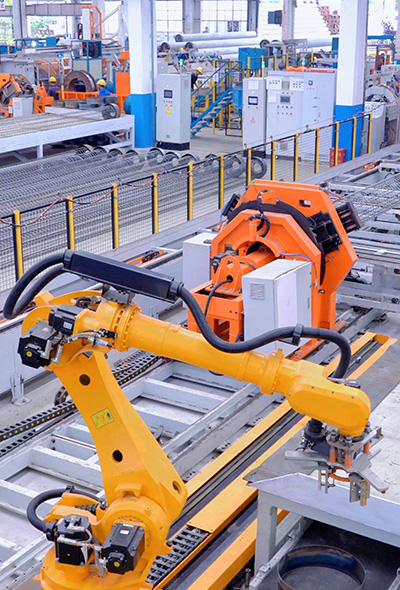
Manufacturers with integrated production systems can guarantee better performance across the entire infrastructure lifecycle.
Why Choose Jianhua Holdings Group
As a global leader in precast concrete solutions, Jianhua Holdings Group offers unmatched advantages:
1. Industry-Leading Manufacturing Capability
- Advanced production lines for Concrete Pipe and piles
- Strict quality control systems
- Large-scale manufacturing capacity
2. Expertise in Concrete Pile Manufacture
- Proven track record in foundation engineering
- High-performance pile solutions for complex projects
3. Integrated Infrastructure Solutions
- From manufacturing to application guidance
- Supporting large-scale infrastructure projects worldwide
4. Commitment to Innovation and Sustainability
- Continuous R&D investment
- Eco-friendly production processes
- Durable, long-life products
By combining manufacturing excellence with technical expertise, Jianhua Holdings Group delivers reliable solutions for global infrastructure development.
Common Mistakes to Avoid
Even experienced contractors can encounter issues if best practices are not followed.
Common mistakes include:
- Inadequate bedding preparation
- Poor compaction during backfilling
- Misalignment of pipe sections
- Improper handling leading to damage
Avoiding these errors is essential for ensuring system longevity.
Future Trends in Concrete Pipe Installation
The industry is evolving with:
- Smart construction technologies
- Automated installation equipment
- Sustainable materials and methods
Manufacturers and contractors are increasingly collaborating to improve efficiency and reduce environmental impact.
Conclusion
Installing Concrete Pipe is a complex but essential process that requires careful planning, precision, and adherence to best practices.
From trench preparation to final inspection, every step contributes to the long-term performance of the system. By leveraging high-quality materials and working with trusted manufacturers like Jianhua Holdings Group, project stakeholders can ensure durable, efficient, and sustainable infrastructure solutions.
As global infrastructure demands continue to grow, the combination of expert installation and advanced Concrete Pile Manufacture will remain a cornerstone of successful construction projects.
 retorno